


Our mission is to inspire and empower people to restore and reconnect landscapes, to rebuild functioning, resilient ecosystems where biodiversity and communities can thrive together
Subtropical Northern NSW is an ancient climate refugia that has fostered the evolution of extraordinary biodiversity over millions of years. Our region is an evolutionary cradle for the world’s songbirds, with ancient lineages such as Albert's lyrebirds representing some of their earliest branches.
Yet today,
only a small percentage of pre-colonial vegetation exists
and over 300 species of flora and fauna in our region are threatened with extinction.
Re-WildScape's mission is to support the recovery of these species and reconnect people with the beauty, wonder, and living richness of nature in their own backyards. We seek to inspire landholders to fall in love with the original inhabitants of this place; the birds, butterflies, skinks, frogs, and native mammals that truly belong here. Let's choose local, living systems over imported and ecologically disconnected alternatives.
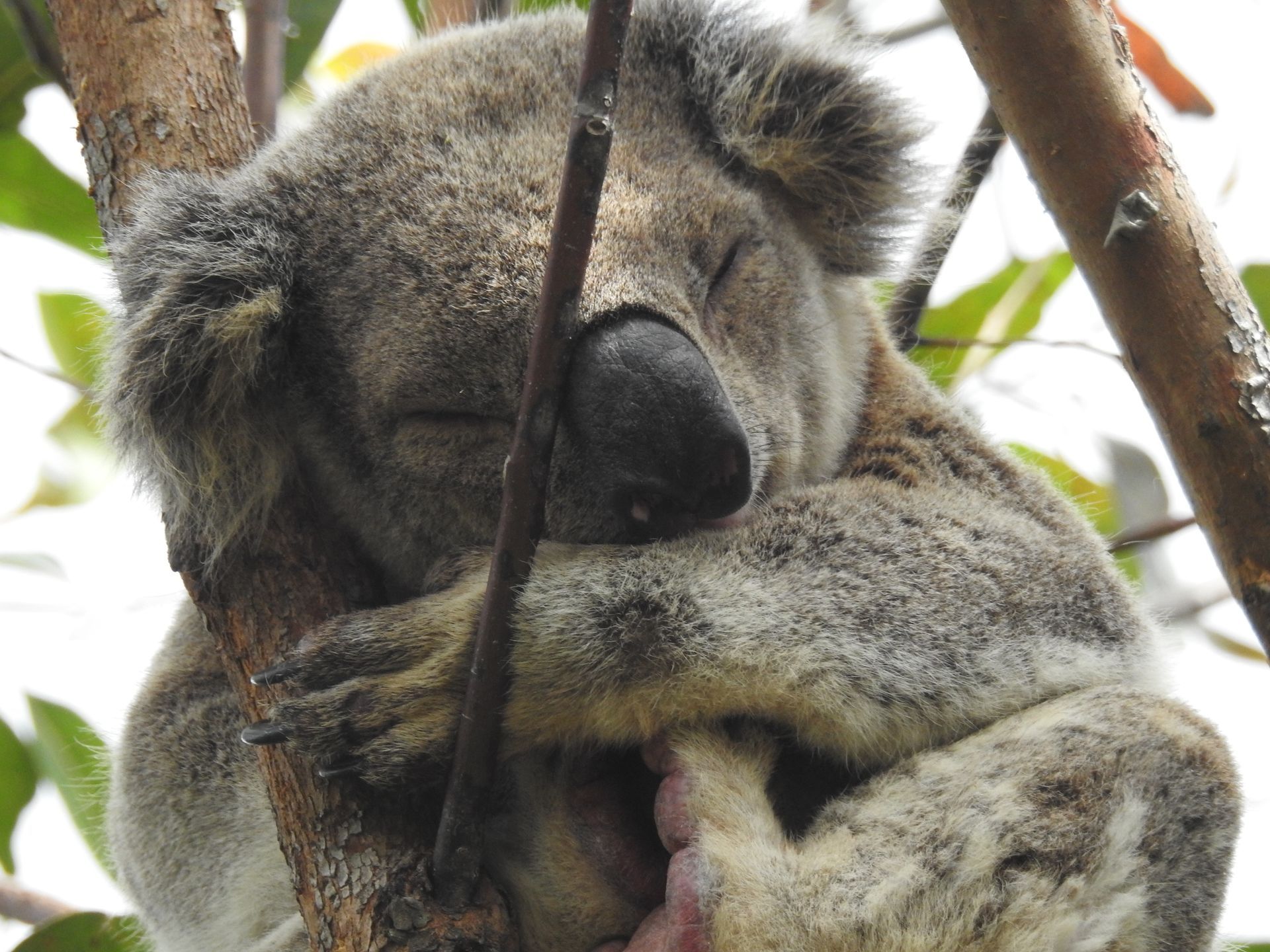
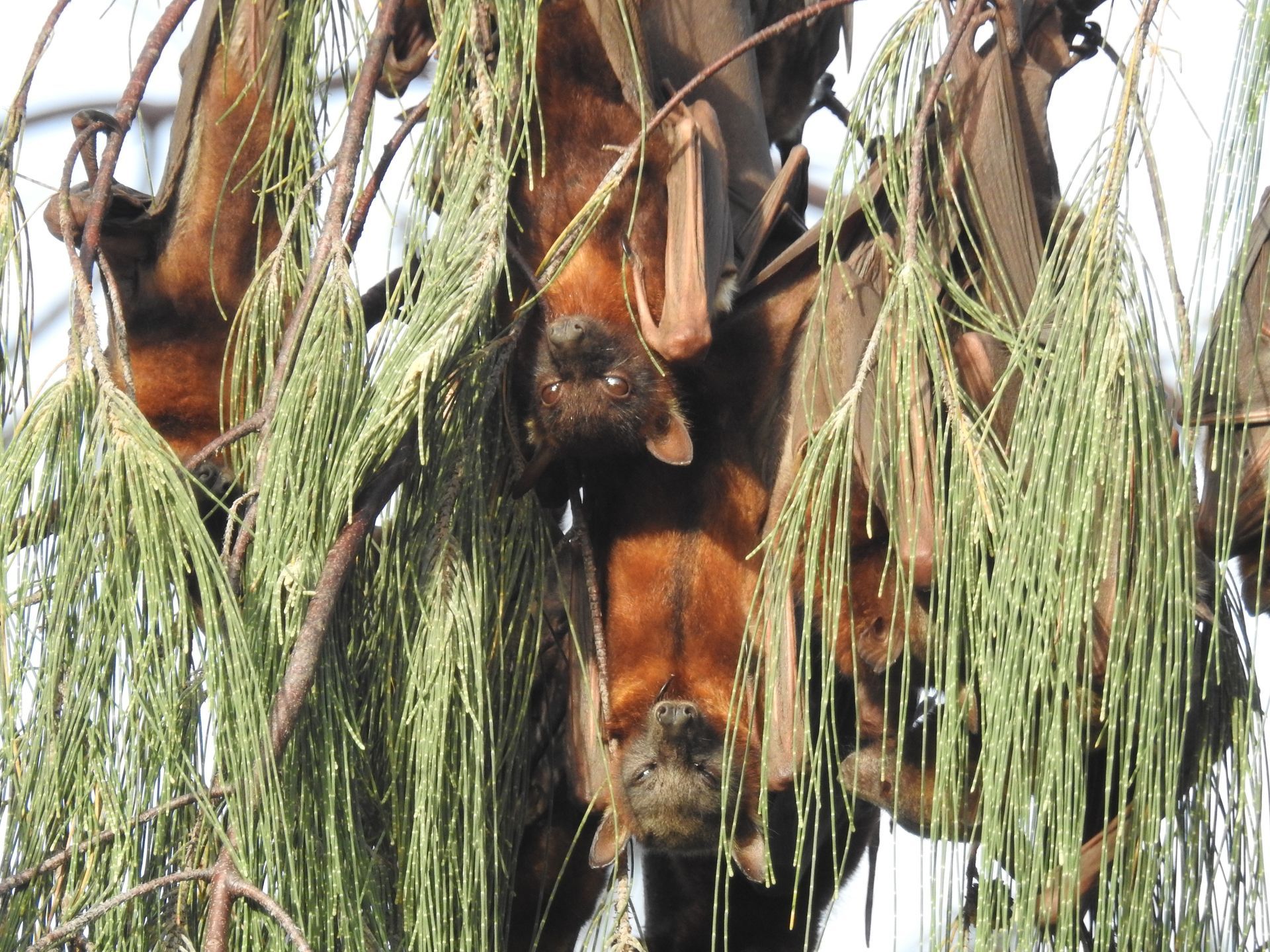
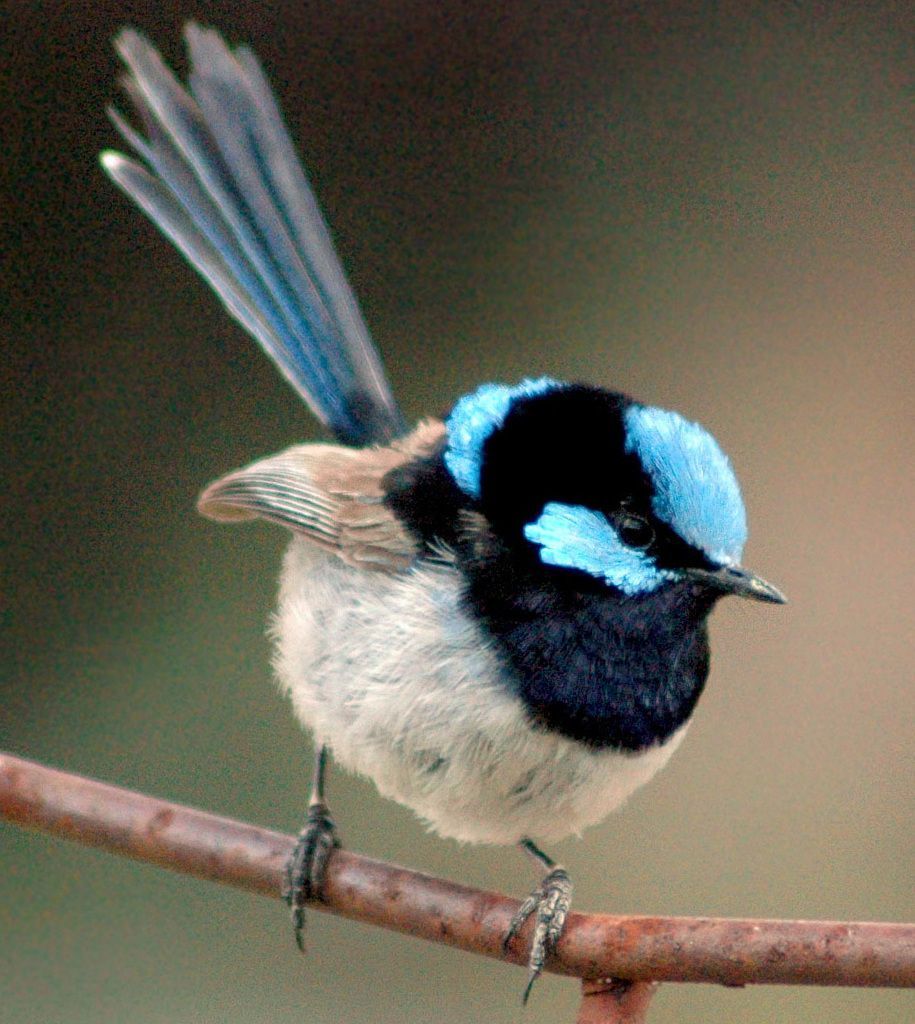
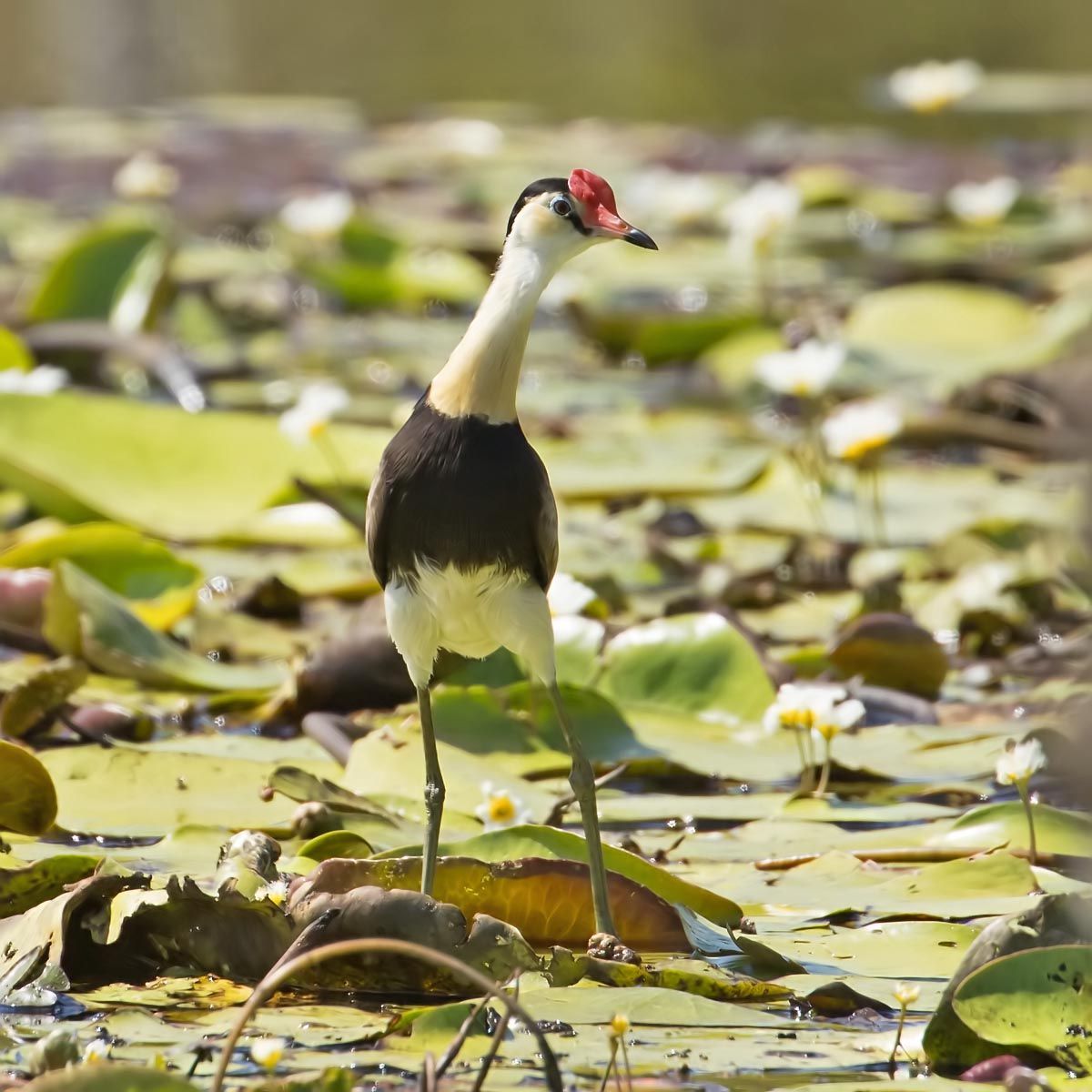
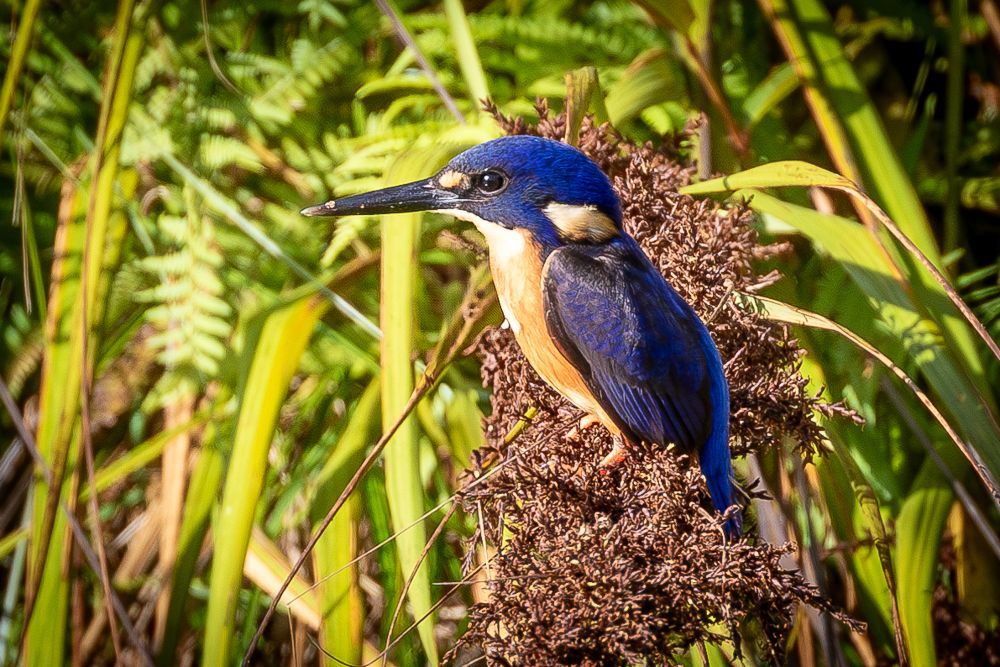
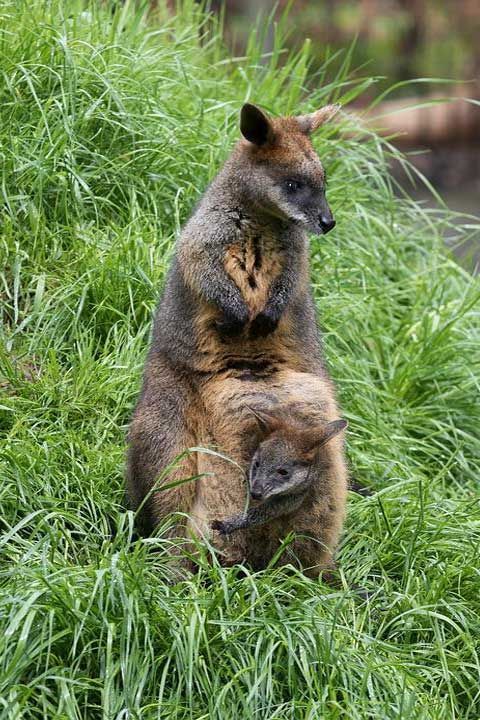
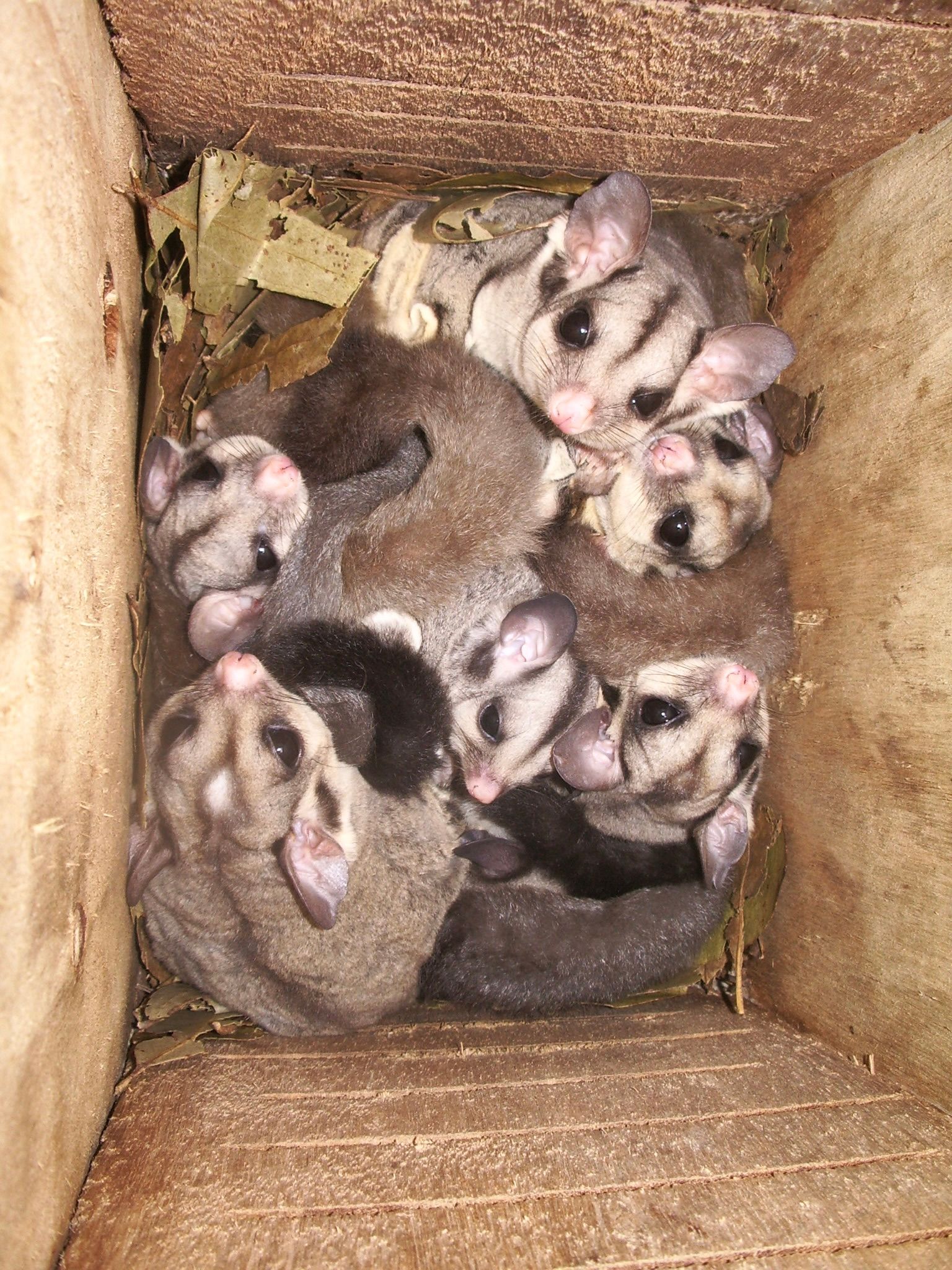
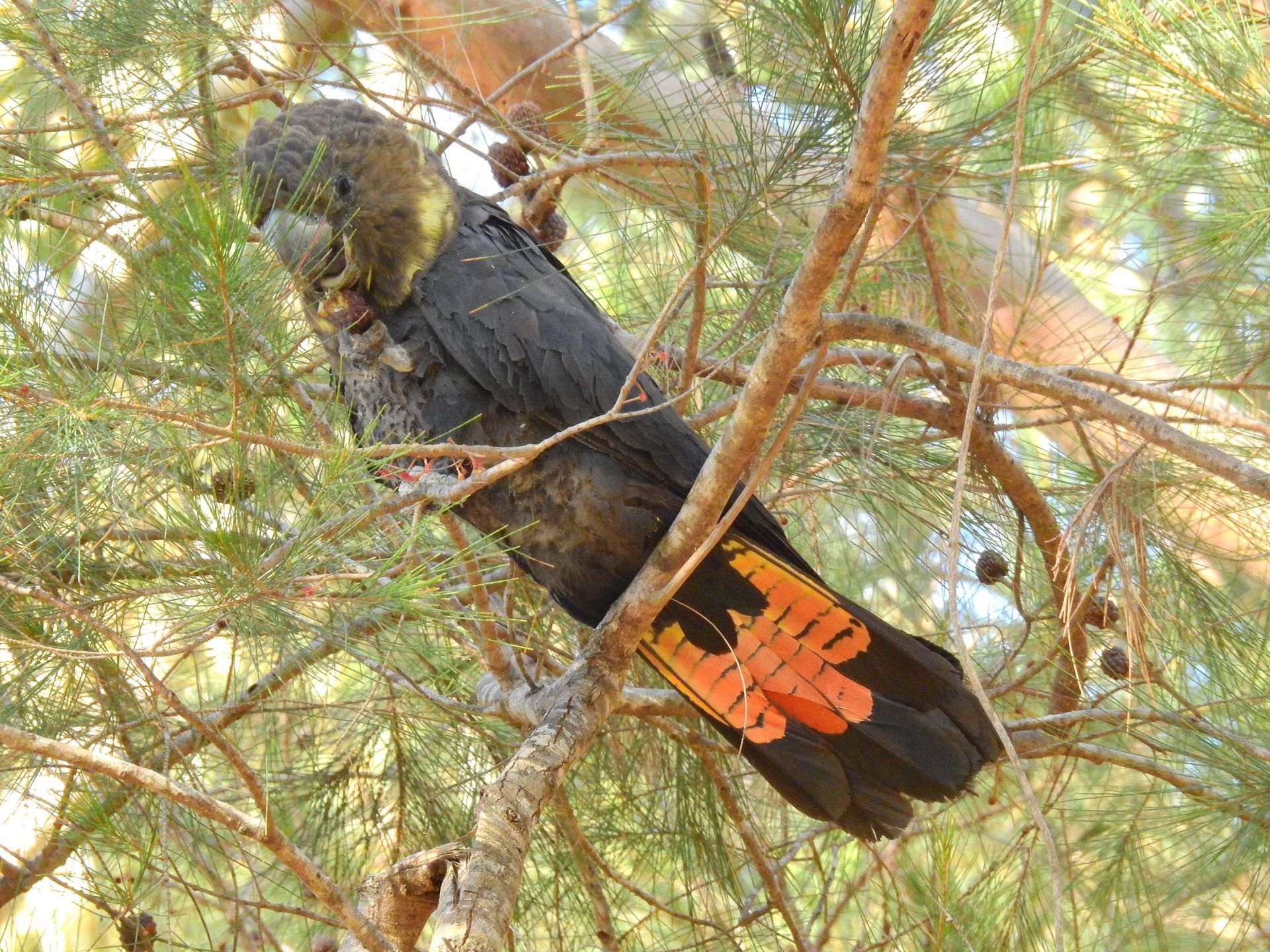
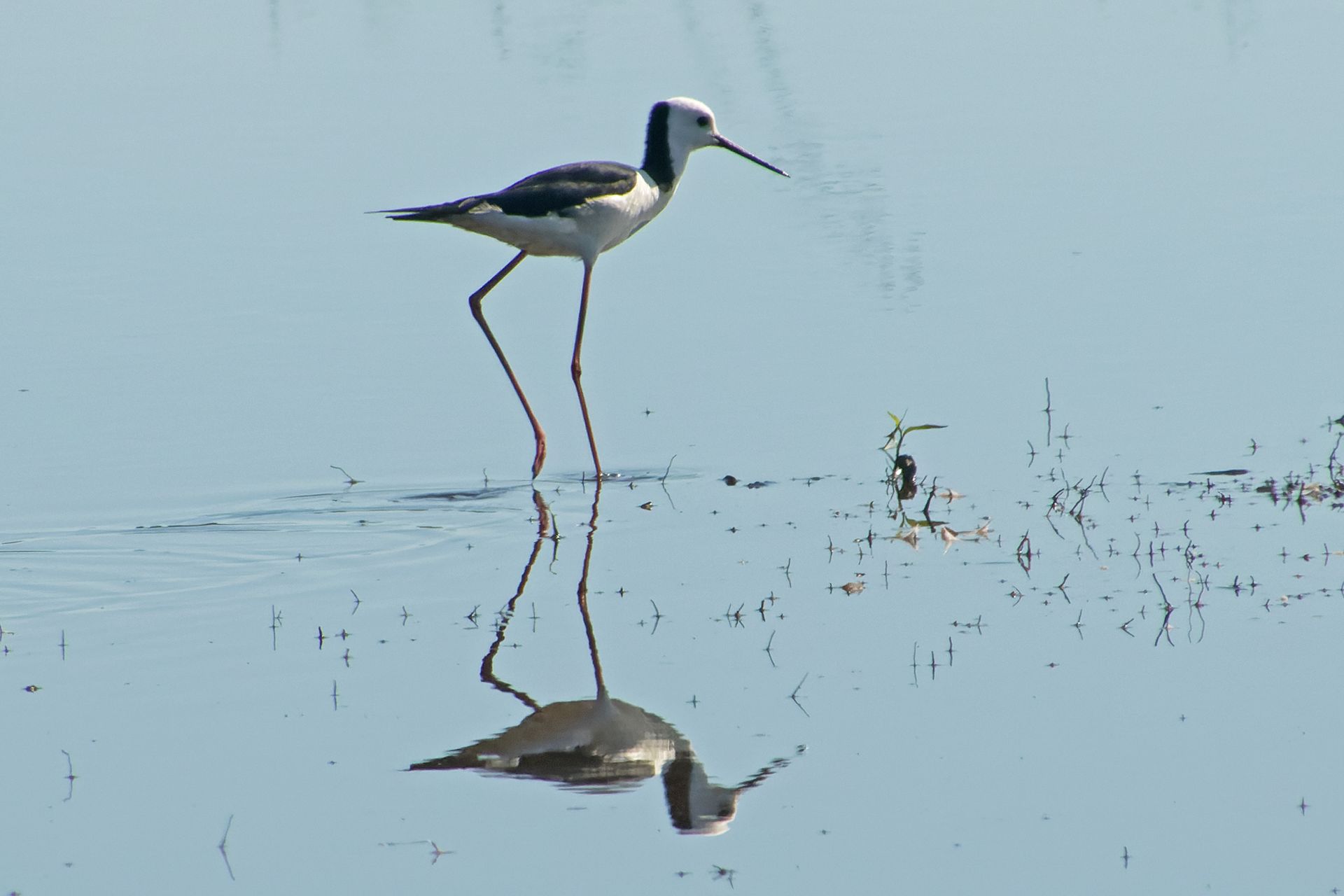
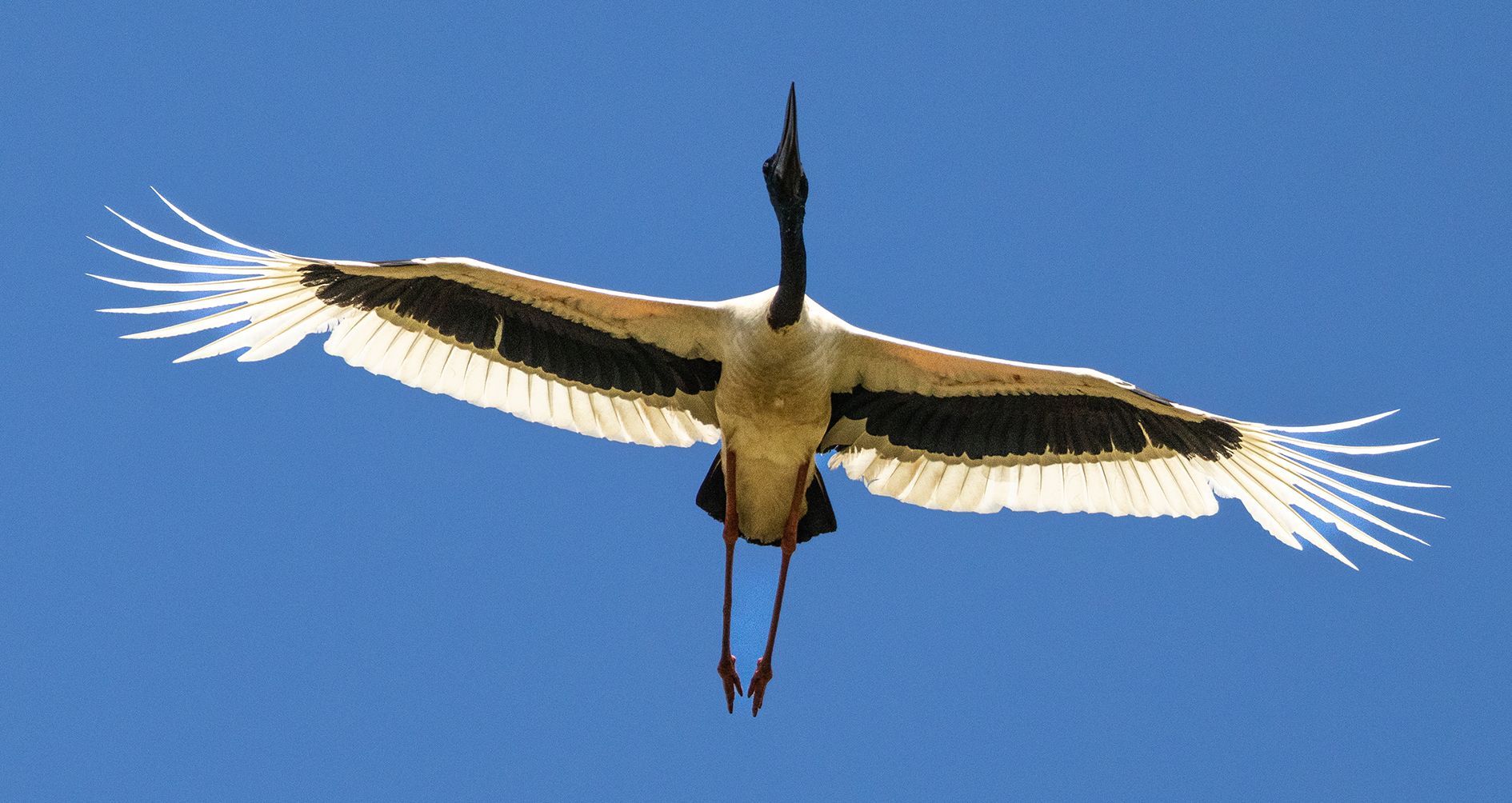
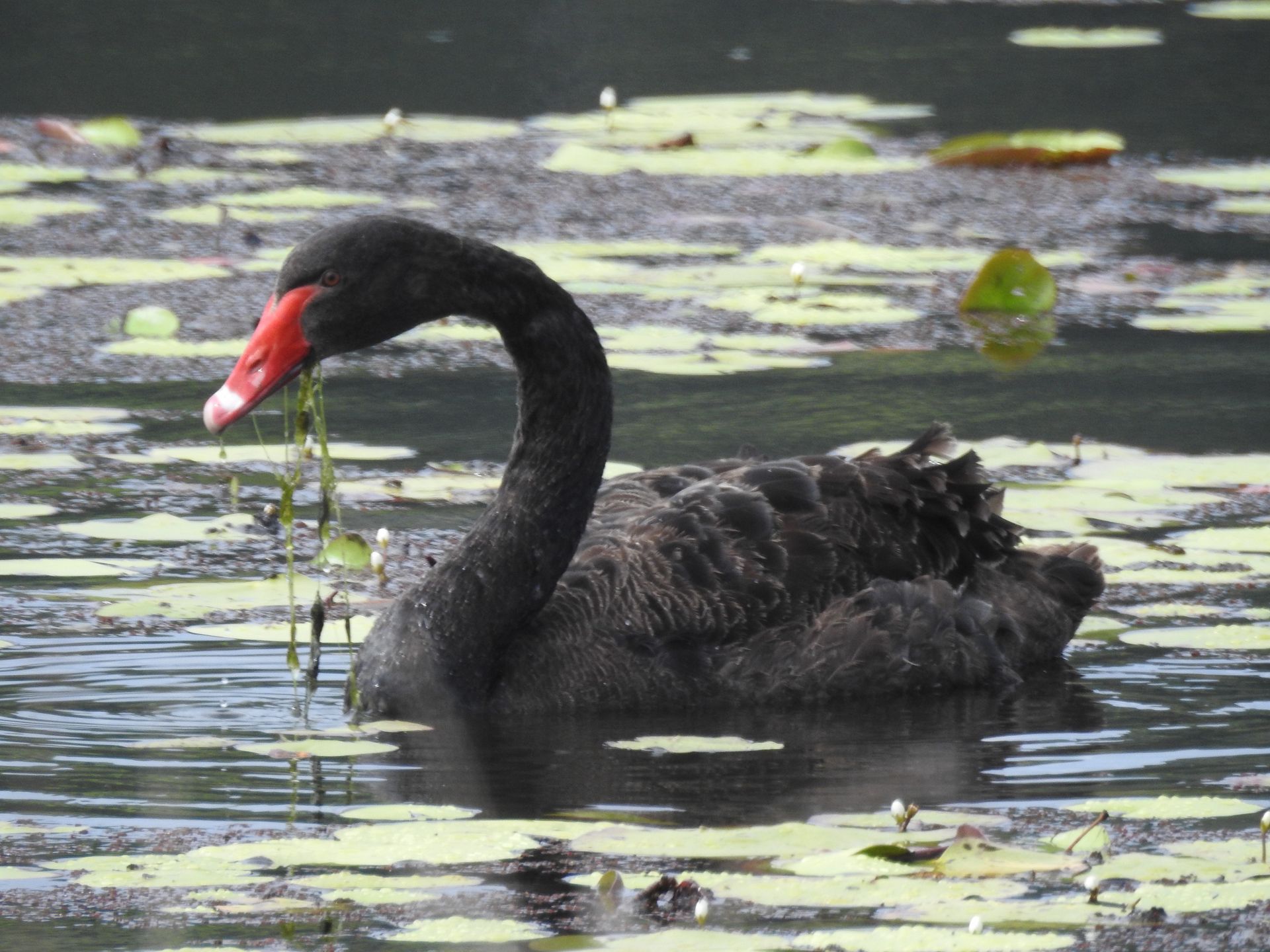
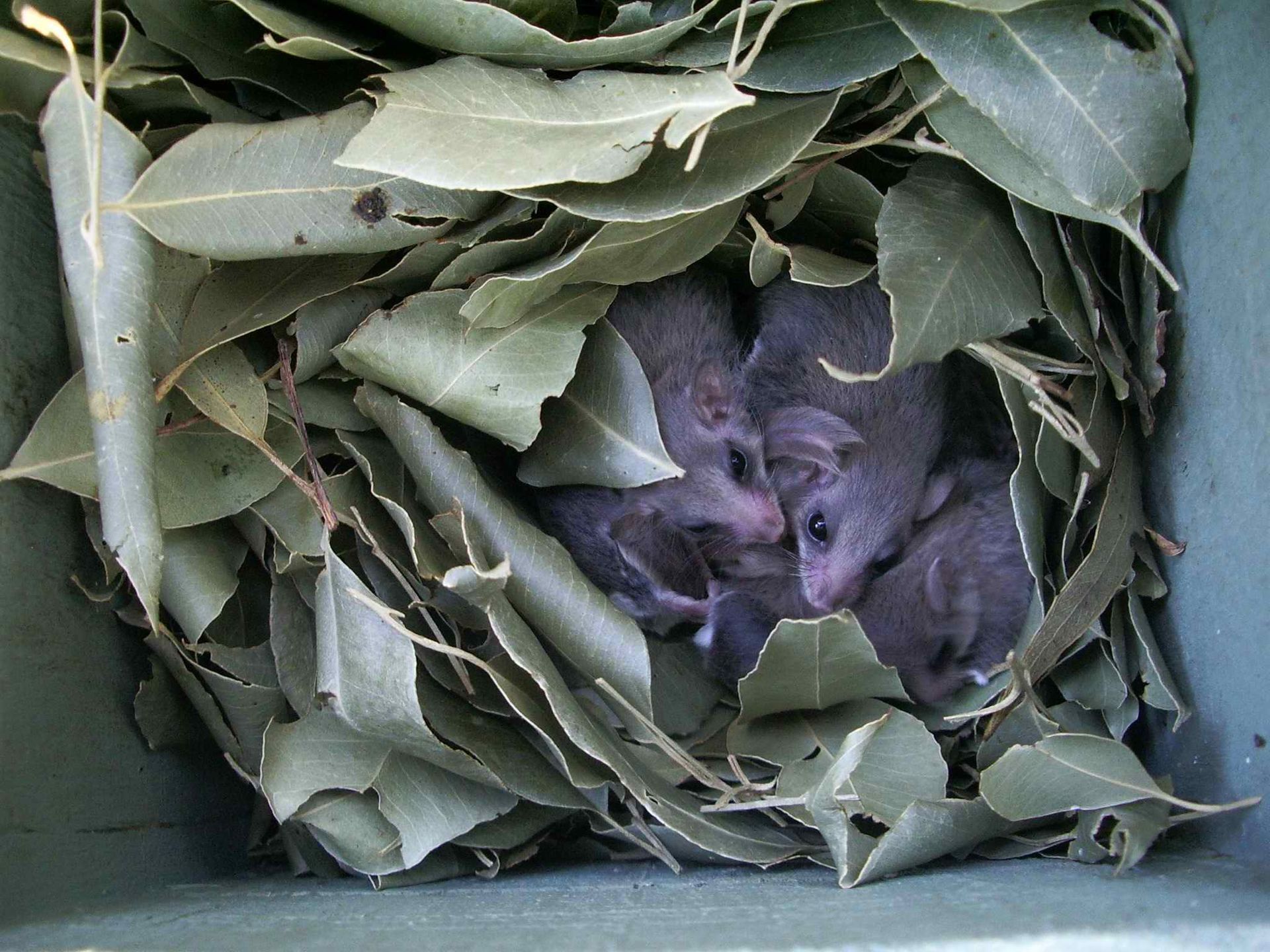
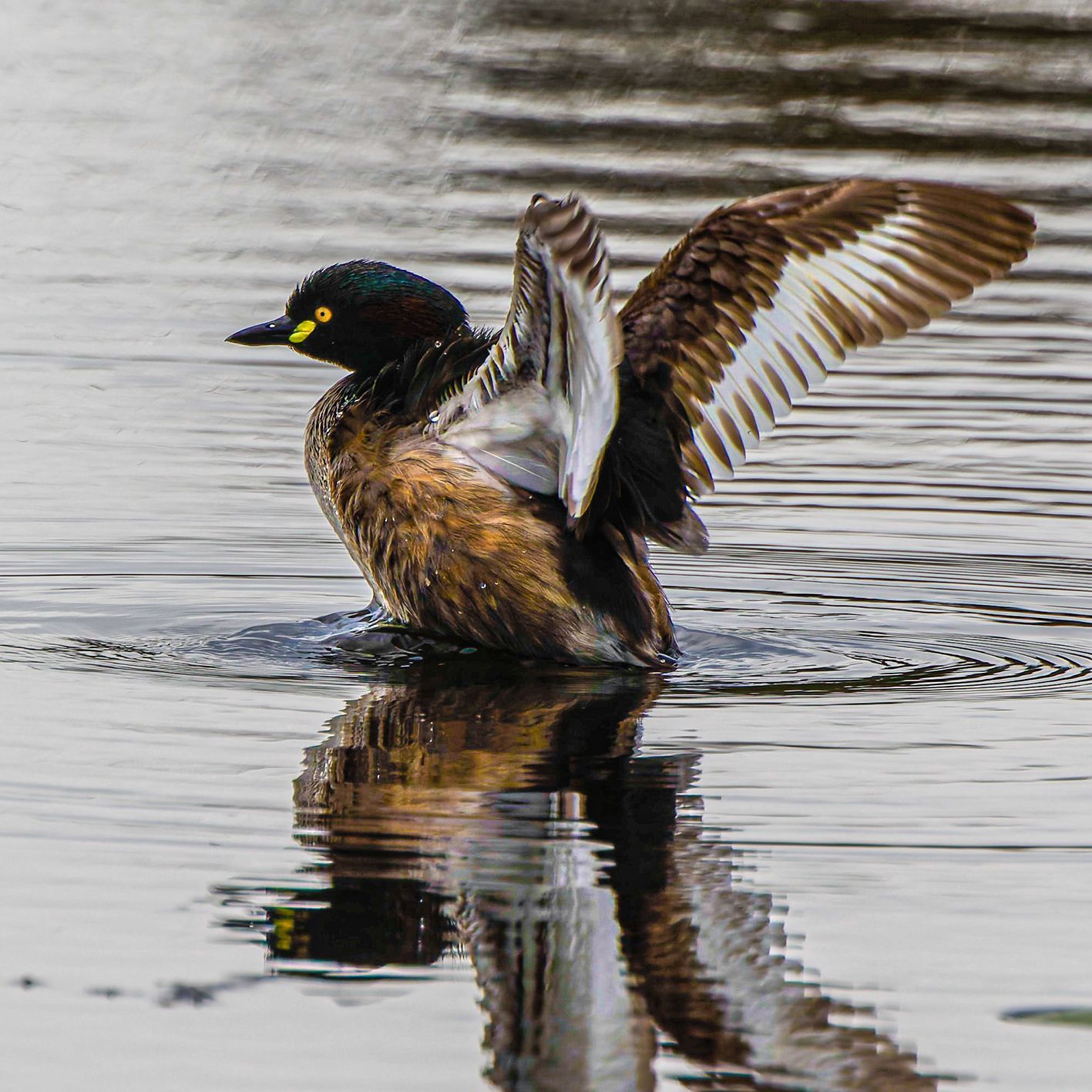
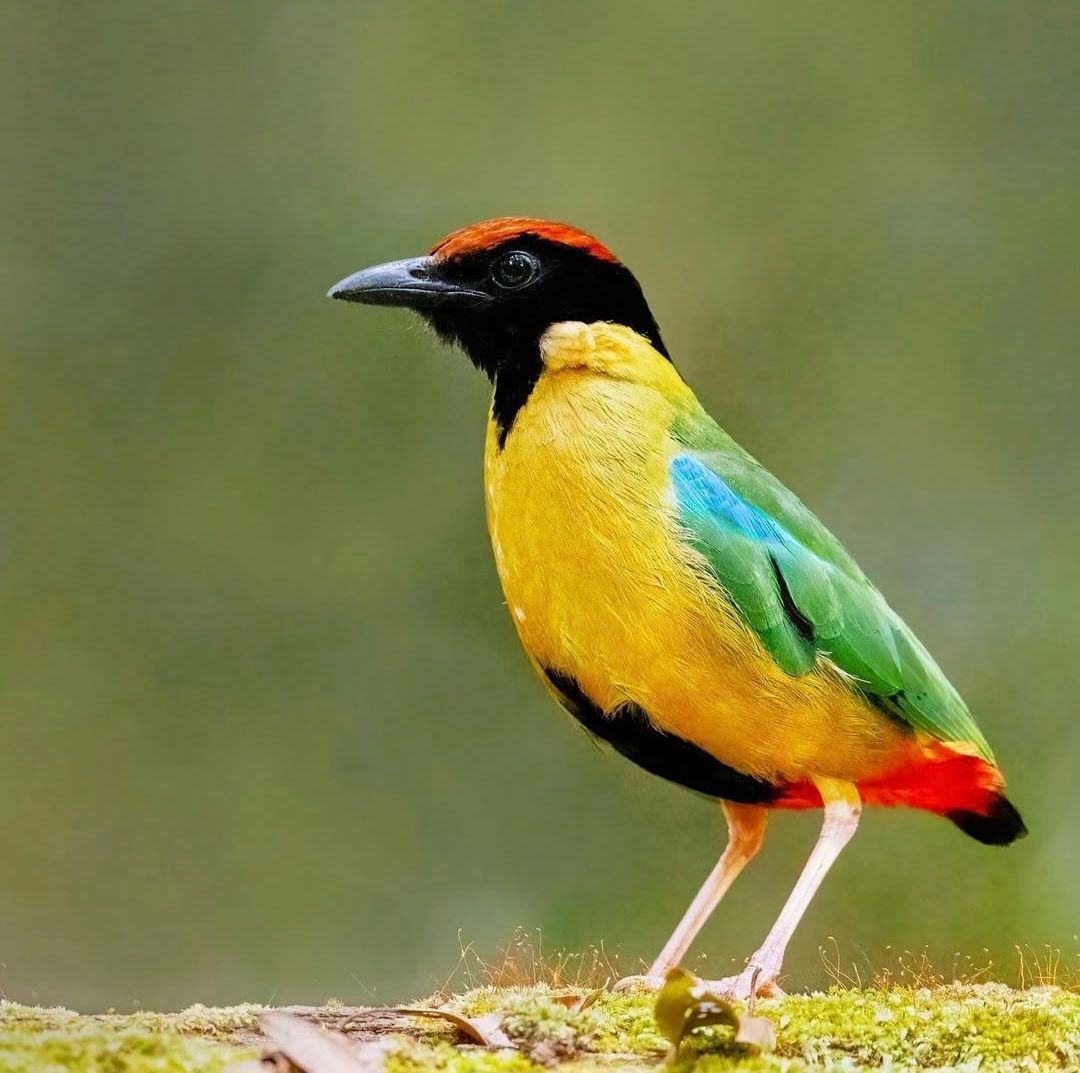
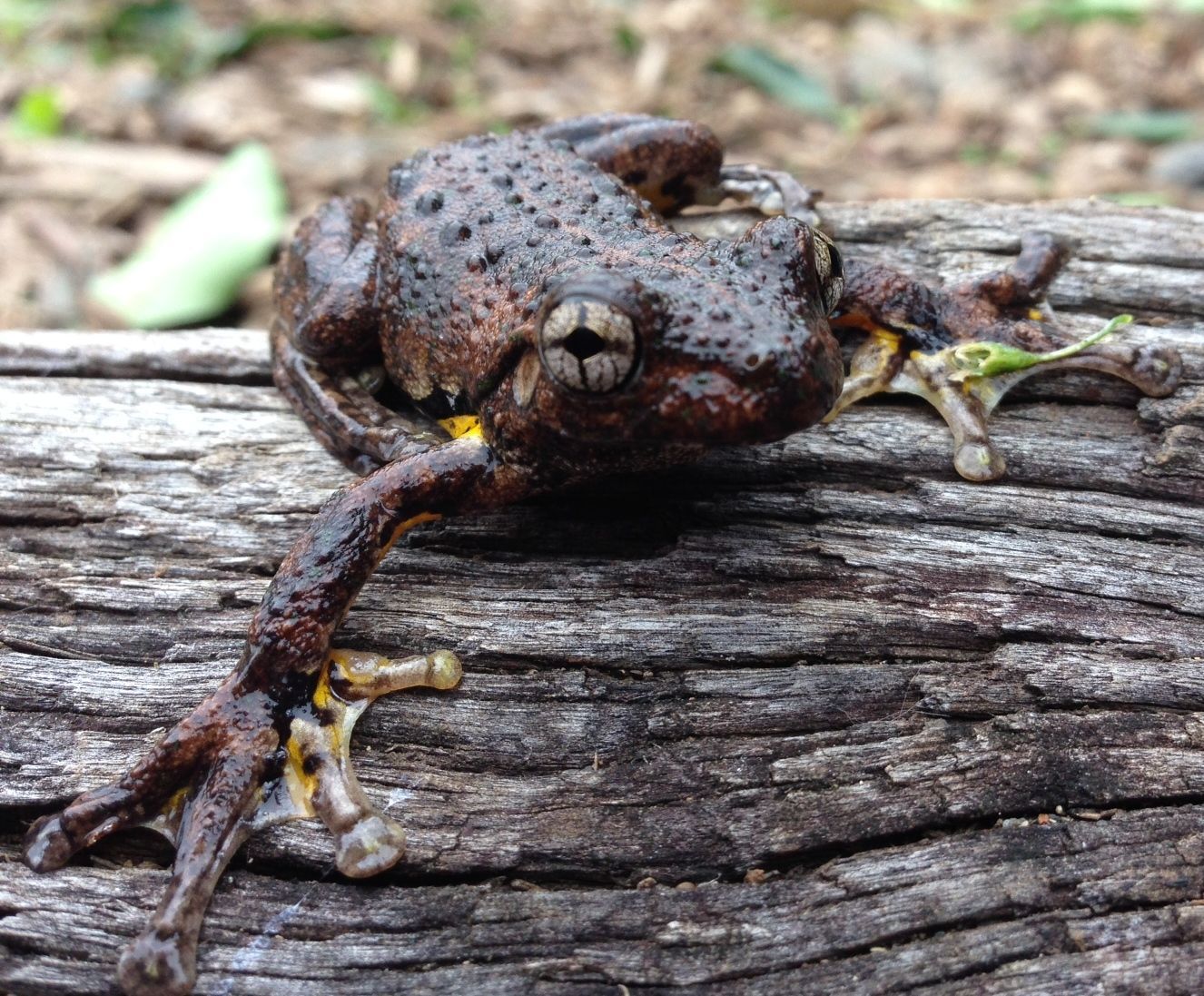
The wildlife featured on this site were photographed at Seapeace Conservation Wetland, a restoration site guided by Re-WildScape’s ecological expertise. Fifteen years ago, this was degraded grazing land, where none of these species had previously been recorded. Through guided habitat restoration it has undergone a remarkable transformation. Today, 21 species of conservation concern and 187 bird species have been documented using the property, demonstrating how quickly wildlife respond to human care.
From coastal heathlands and freshwater wetlands to lowland and littoral rainforests, to wet and dry sclerophyll forests, each ecosystem has different geology, soil and a distinct suite of habitat values for
flora and fauna.
Re-WildScape identifies and supports native flora and fauna already present while creating new habitat opportunities for species yet to return. By strengthening landscape connectivity across property boundaries, we can support species adaption to climate change and restore the ecosystem functions that regulate water, moderate temperature, improve soil health and sequester carbon.